Are You Covered for Spring Storms?
April 8, 2026
What homeowners need to know about weather risks, flooding, and insurance gaps.
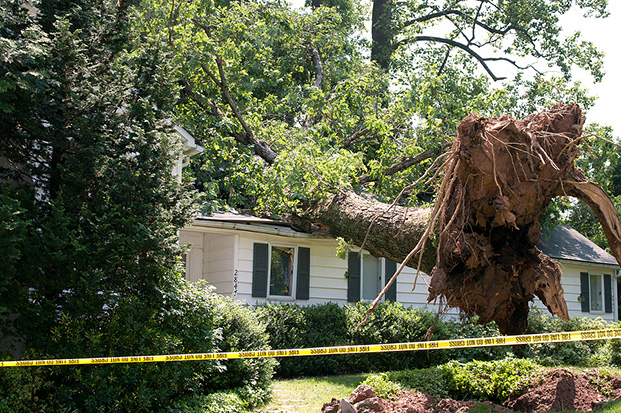
Spring brings warmer weather—but it also brings some of the most unpredictable and damaging storms of the year.
Heavy rain, strong winds, hail, and even tornadoes can cause significant damage to homes and property. Many homeowners assume they’re fully covered, only to find out after a storm that certain types of damage aren’t included in their policy.
Understanding what your insurance covers before severe weather hits can help you avoid costly surprises and recover more quickly if a storm does occur.
What Homeowners Insurance Typically Covers in a Storm
Most standard homeowners insurance policies provide protection against common storm-related damage.
This usually includes:
- Wind damage to your roof, siding, or windows
- Hail damage to roofing, gutters, and exterior surfaces
- Damage from fallen trees or debris
- Water damage caused by sudden and accidental events, like a burst pipe
If your home is damaged by a covered event, your policy may also help pay for temporary living expenses while repairs are being made.
However, coverage always depends on the cause of the damage—not just the damage itself.
What Flood Damage Is (and Isn’t) Covered
One of the biggest misconceptions about homeowners insurance is that it covers flooding.
In most cases, it does not.
Flood damage typically includes:
- Rising water from heavy rain
- Storm surge from coastal weather events
- Overflow from rivers, lakes, or drainage systems
This type of damage requires a separate flood insurance policy, which can be purchased through the National Flood Insurance Program (NFIP) or private insurers.
Even homes outside of high-risk flood zones can experience flooding, which is why it’s worth discussing your risk with an insurance professional.
Understanding Wind and Storm Deductibles
In some areas, especially those prone to severe weather, your policy may include a separate deductible for wind or storm damage.
This means:
- You may pay a different deductible for storm-related claims
- The deductible could be a percentage of your home’s value, not a flat amount
- Out-of-pocket costs may be higher than expected after a major storm
Knowing how your deductible works ahead of time can help you plan financially and avoid surprises during a claim.
Simple Ways to Reduce Storm Damage Risk
While you can’t control the weather, you can take steps to reduce your risk.
Consider:
- Cleaning gutters and downspouts to prevent water buildup
- Trimming trees and removing weak or dead branches
- Securing outdoor furniture and loose items before storms
- Inspecting your roof for loose or damaged shingles
These small steps can help minimize damage and may even reduce the likelihood of filing a claim.
When to Review Your Coverage
Spring is a smart time to take a closer look at your homeowners policy.
You may want to review your coverage if:
- You’ve made recent home improvements or renovations
- Your home value has increased
- You’re unsure about your flood risk
- You haven’t reviewed your policy in the past year
A quick check now can help ensure your coverage keeps up with your home and your needs.
Be Prepared Before the Next Storm
Storms can happen quickly—but being prepared ahead of time makes all the difference.
Understanding your coverage, identifying potential gaps, and taking preventive steps can help protect your home and your finances when severe weather strikes.
Have questions about your storm coverage? Contact your local independent insurance agent to review your policy and make sure you’re ready for whatever the season brings.